Hikayetna
Making it easier for Arabic-speaking people to access mental health support.
The benefits of open conversations around mental health are now widely understood, but language and cultural barriers can make it more difficult for some people to talk about their feelings and to seek help when they need it.
According to the Mental Health Foundation, “Asylum seekers and refugees are more likely to experience poor mental health than the local population, including higher rates of depression, PTSD and other anxiety disorders.” However, people newly arrived in the UK, who may not be fluent in English, often don’t know what mental health support is available or how to access it.
Bringing people together through storytelling
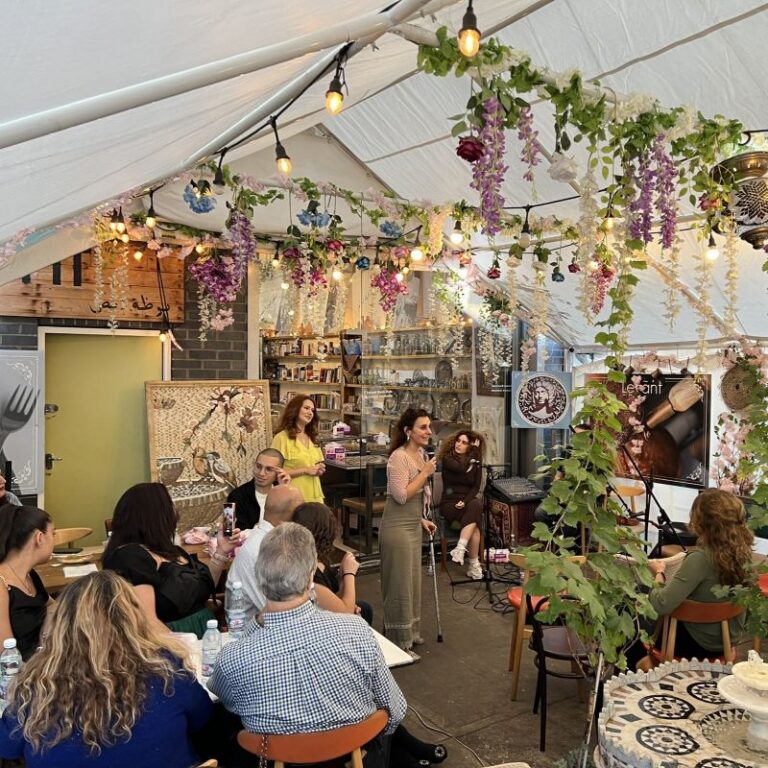
Hikayetna is a not-for-profit organisation that brings people together through storytelling and creativity. As Project Manager Sulaiman Othman shares, “Our main purpose is to bring the community together. We’re open to everyone – migrants and the local community. Our activities are around storytelling – how to tell your story through music, photos, film, poetry or writing.”
Projects include a print newspaper, Grapho, which, as Sulaiman explains, “gives refugee and migrant young people a voice and the encouragement to write. It gives them skills and a sense that they’re part of the community, a part of society.”
Sulaiman recognised that many of the people Hikayetna works with find it difficult to talk or write about mental health. He shares, “There’s a need to reduce the stigma around mental health, particularly within the Arabic-speaking community, because we don’t usually talk about these issues. We keep our feelings, our problems inside.”
He approached Hammersmith United Charities about a grant to help raise awareness of mental health support amongst West London’s Arabic community. Hikayetna used the funding to create three short videos and a leaflet. The videos are in Arabic, with English subtitles, and aim to bridge cultural and linguistic barriers. They cover what mental health challenges can look like, why it’s important to get support and how to access that support. Two feature Arabic-speaking mental health specialists working in the NHS. The third is an animation based on one refugee’s experiences of mental ill health.
Please feel free to share the films with anyone you feel may benefit.
[Content warning: The following video follows the journey of someone who considered ending their life.]
Support Hikayetna
Hikayetna is always keen to hear from people who want to volunteer to help with workshops, outreach events and other activities. It’s also seeking additional funding to run more storytelling projects for the West London community.


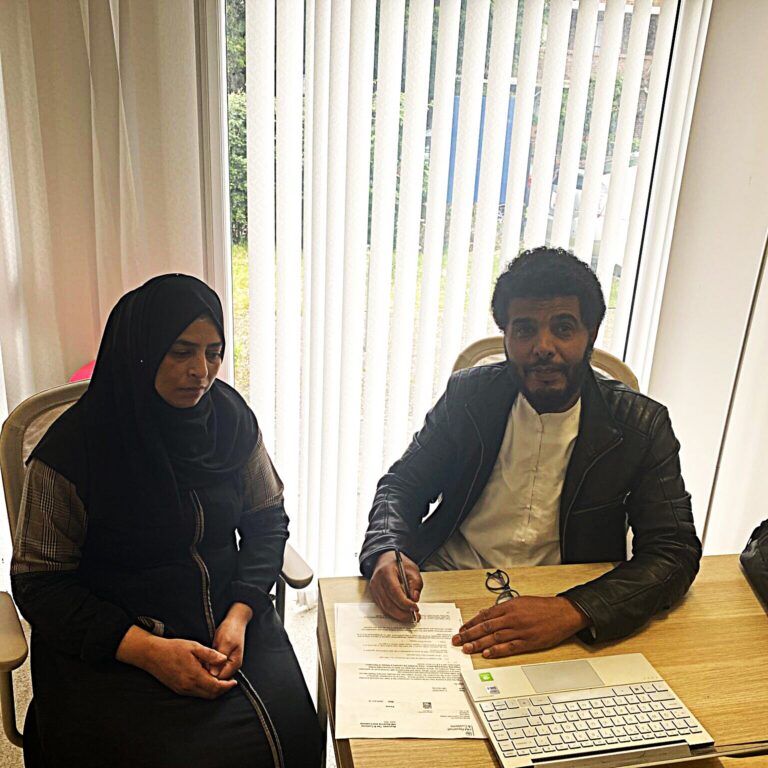
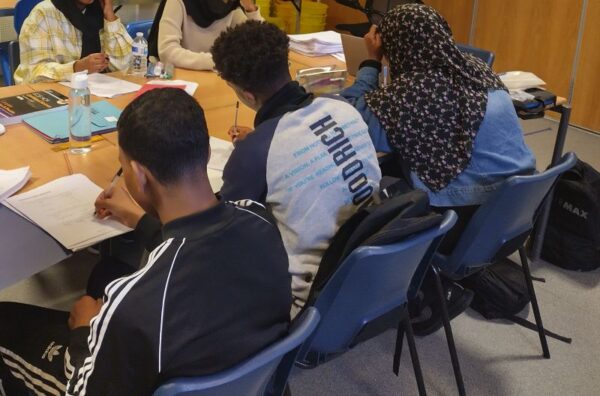 Recognising the difficulties that families face, Jamal came together with other Hammersmith parents to launch Somali Parents. Meeting demand is an ever-increasing challenge for the charity. Jamal is the only paid staff member, and he only works for the charity part-time. Nevertheless, assisted by a team of volunteers, the organisation offers support to families across the borough.
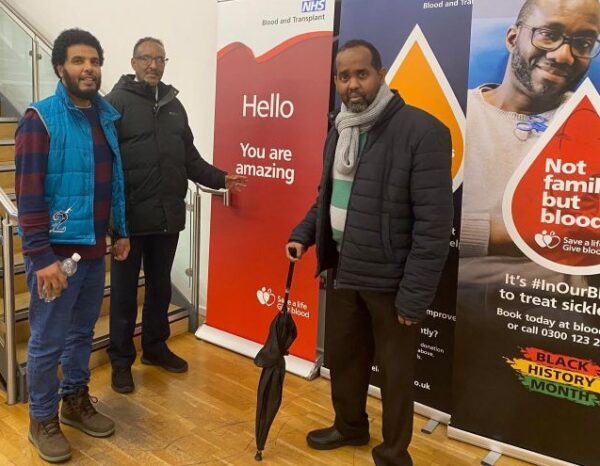 Somali Parents runs healthcare workshops about cancer symptoms and support available, as well as drop-in sessions to help ease concerns amongst the community and give people a better understanding of how to access NHS services and what to expect from an appointment. Recognising that women often feel more comfortable discussing health issues with another woman, the charity will sometimes bring in a Somali-speaking female GP to answer questions from the audience and talk to people in private if they need more advice.
 “The relationship is the intervention.”