The Creighton Centre
Reducing social isolation for people with dementia
Almost 1 million people are living with dementia in the UK and that figure is expected to rise considerably over the next few years. With statutory services stretched to their limit, it often falls on charities to provide support, particularly for those who live alone.
Here in Hammersmith & Fulham, The Creighton Centre offers a lifeline to 350 socially isolated older people, most of whom are on a low income. The average age of participants is 82 and around 40% have dementia. Fundraiser Stephen Womersley shares, “We found that, increasingly, more people were being referred to us with dementia – mild, moderate and severe. We realised that we needed extra resources for them so created a comprehensive programme of support, Circle of Care, which is delivered by volunteers and overseen by a specialist dementia coordinator.”
That programme of support includes:
- Safe & well checks
- Home visits for housebound clients
- Emergency staff intervention
- Befriending
- Advocacy work
- Group activities such as gardening and dancing
- Events, workshops and advisory sessions
- Home adaptations
- GP/NHS liaison
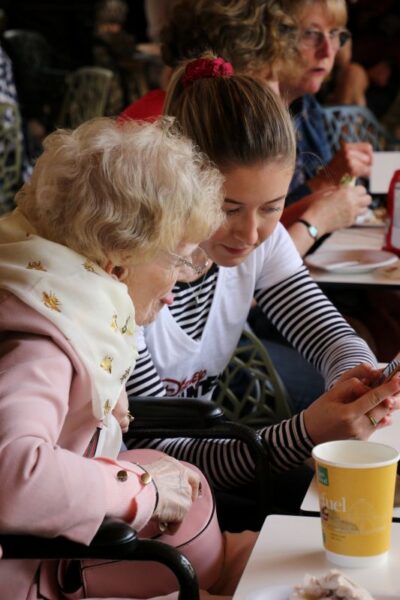
Stephen says, “These are people who often fall through the gaps, so we bring together the various services they need, from an Admiral nurse to council support services, together under the umbrella of the Circle of Care programme. Our volunteers are trained to be able to recognise what services may be missing, what services need to be provided and what level of care that person needs.”
Loneliness and isolation increase the risk of developing dementia. On the other hand, conversations and group activities strengthen neural connections, so regular social interaction can actually slow down the rate that dementia progresses. In other words, when isolated older people are given the chance to regularly interact with others, it can significantly impact their life and help them to live independently for longer.
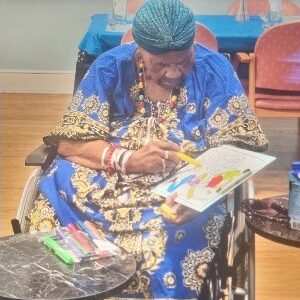
The Creighton Centre gives older people that chance to socialise, whether that’s during a home visit, a chair-based exercise class, or a stroll with a walking buddy.
Hammersmith United Charities’ grant
We’ve provided the Creighton Centre with a grant of £8,000 to help fund its dementia work. Stephen says, “It’s only because of funders like Hammersmith United Charities that we’re able to do what we do. This year, they’re supporting our older people services in Hammersmith; previously, they supported our learning disability programme, so we’re very grateful.”
Volunteer with the Creighton Centre
Like many charities, The Creighton Centre relies on volunteers to deliver its services. In total, it has around 120 volunteers supporting five different projects, and it’s currently recruiting people to act as specialist dementia and other volunteers.
If you’re interested in volunteering, there are a number of ways you can help, from visiting a housebound person once a week or providing a daily wellness check over the phone, to helping someone who’s recently been discharged from hospital to regain their independence. You’ll receive full training and ongoing support.
Visit https://www.creightoncentre.org/volunteer/ to find out more.


 i-MATTER: Health & Wellbeing & Tackling Inequalities