National Compost Week
15 - 21 March 2021
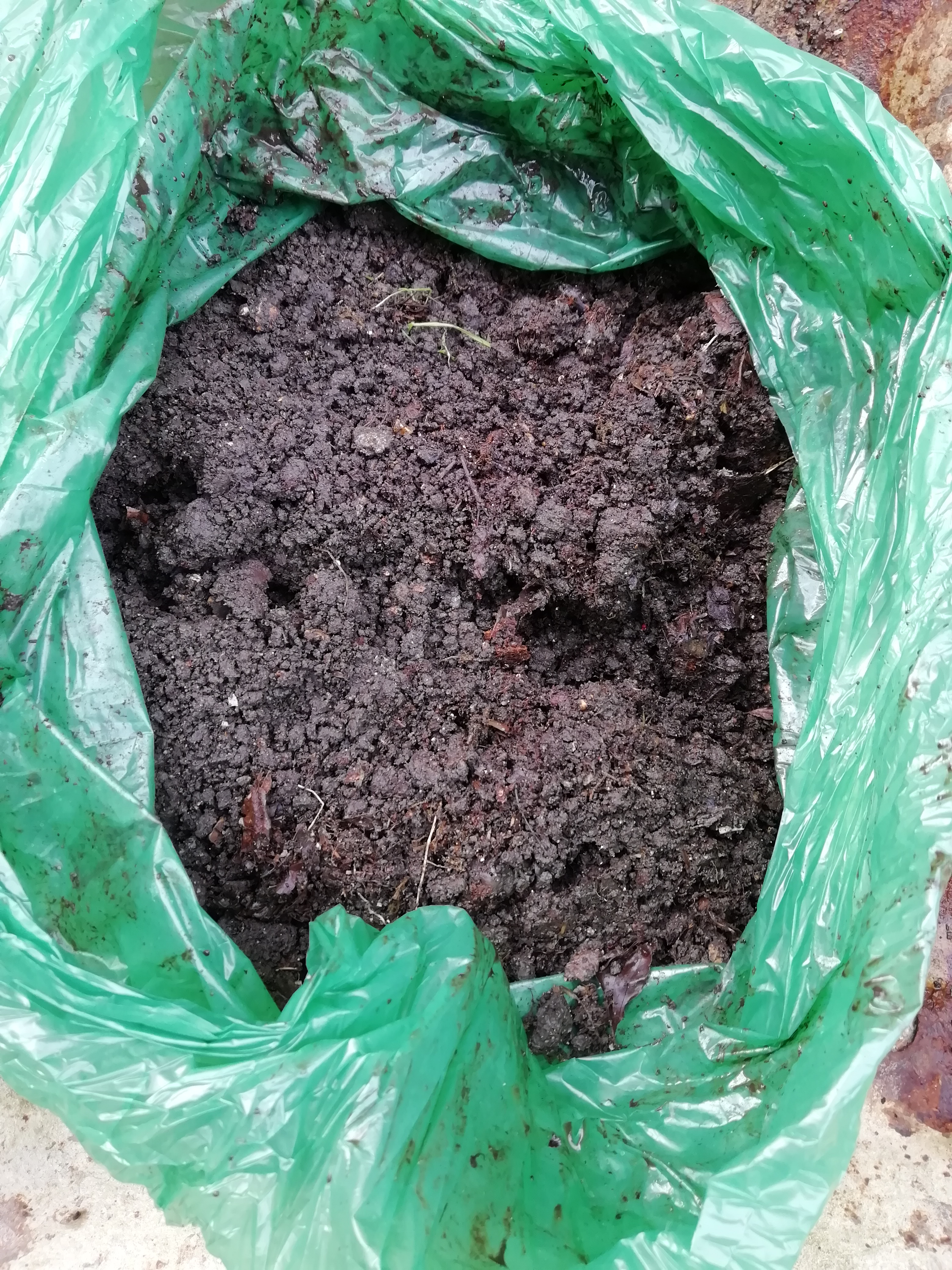
Composting is the recycling of plant and food waste material into decayed organic matter. This can then be used in various forms in the garden and when applied, enriches the soil and plant health.
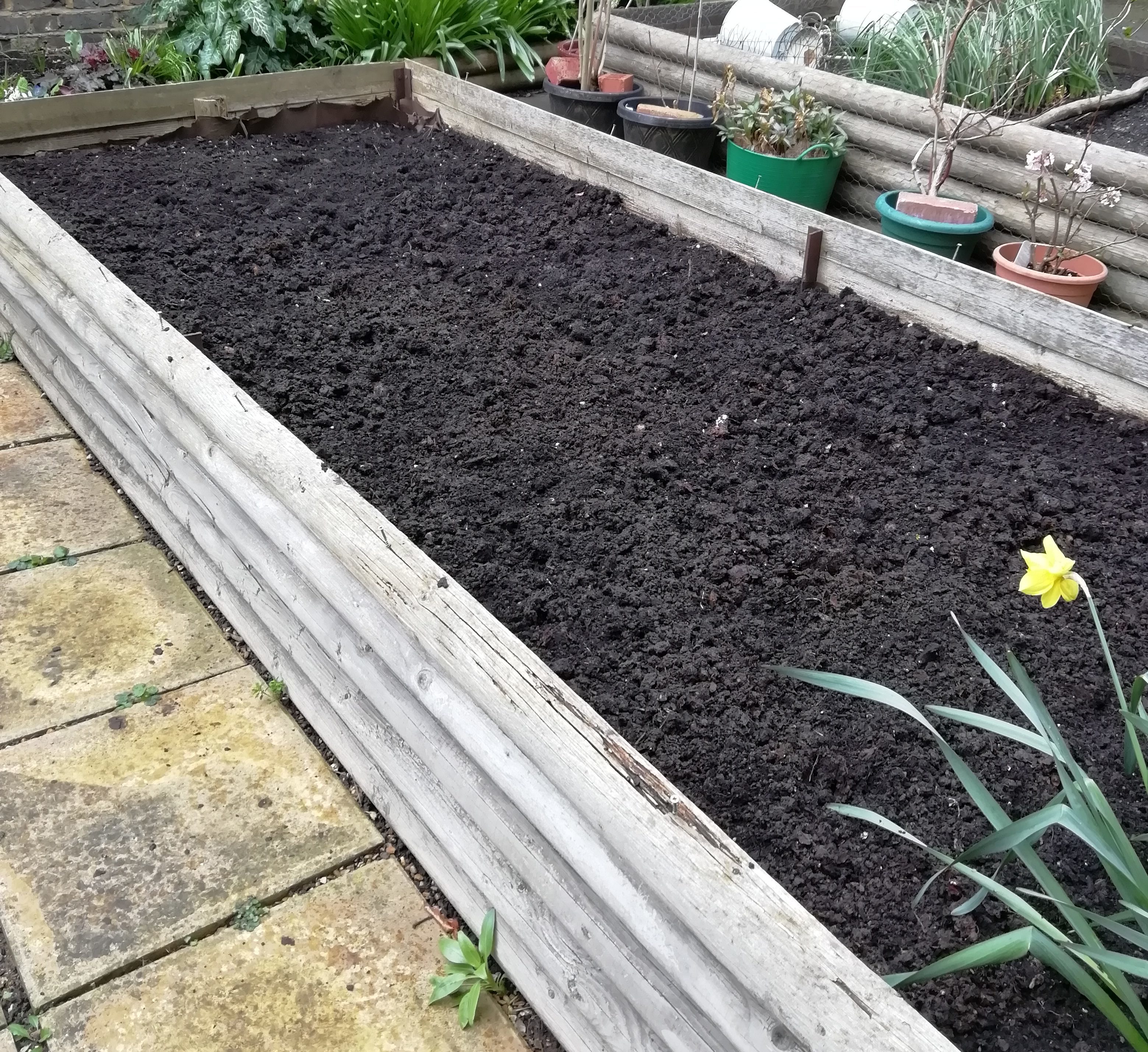
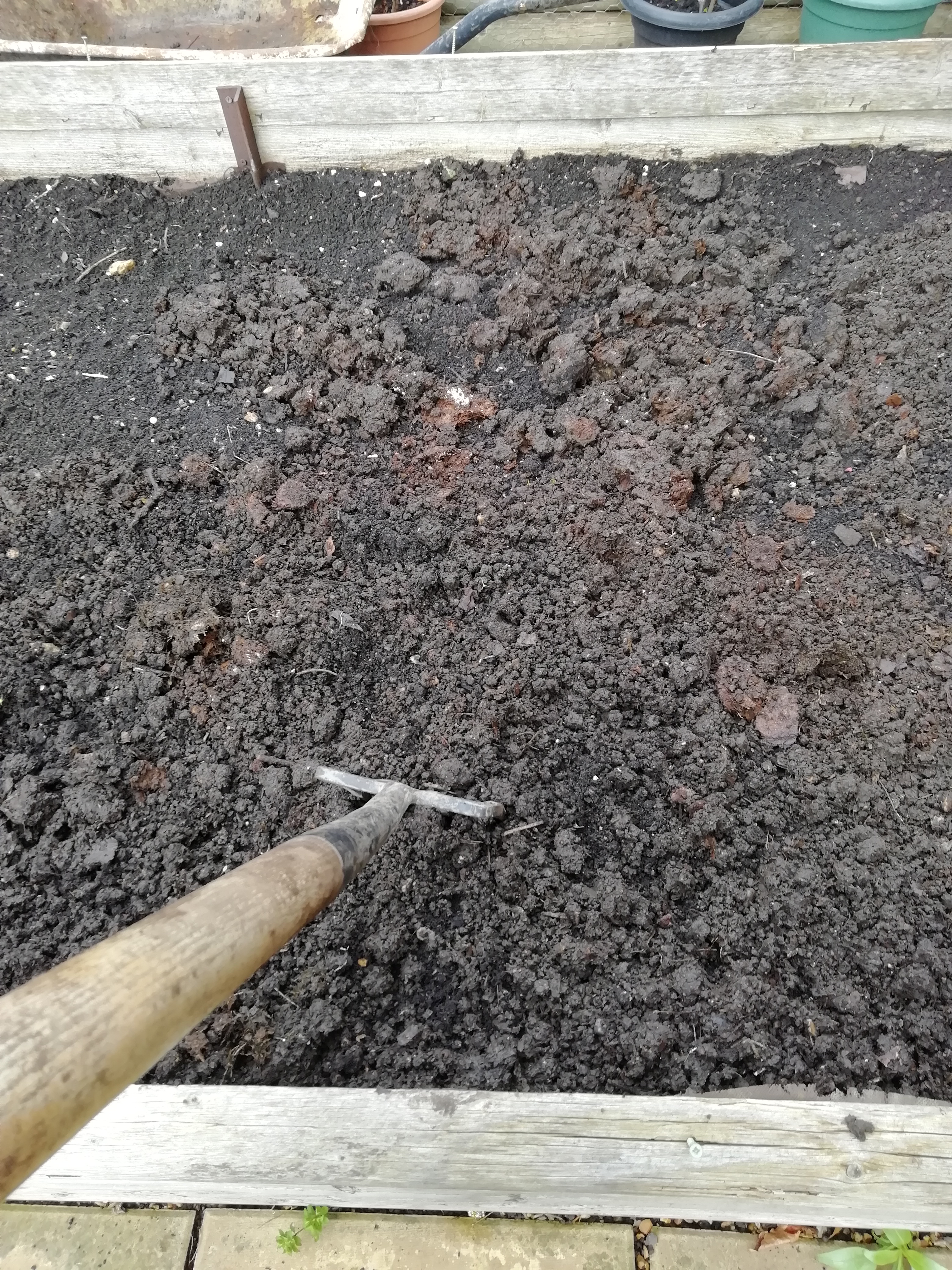
This week a layer of garden compost has been added to the allotment plots at John Betts House garden, in preparation for the growing season ahead. This ties in with National Compost Week, a good opportunity to remind ourselves of the many benefits of using compost in our gardens. Please see some key tips below for reasons to compost in your garden:
- The organic matter in compost is a source of food for the organisms in the soil.
- The organic matter in compost opens up the soil, creating bigger gaps for air and water to move around – this is good for soil structure.
- As the organic matter decomposes, it releases nutrients into the soil.
- Adding a layer of mulch to beds, borders and allotments suppresses annual weeds and weakens perennial weeds.
- Composting is an environmentally friendly process using organic materials.
Composting is recommended for most sized gardens, and can be done in a number of ways to accommodate the size of the garden. We highly recommend this gardening activity and have put together a list of websites that provide useful further information on how to compost:
Find out more about our sheltered housing
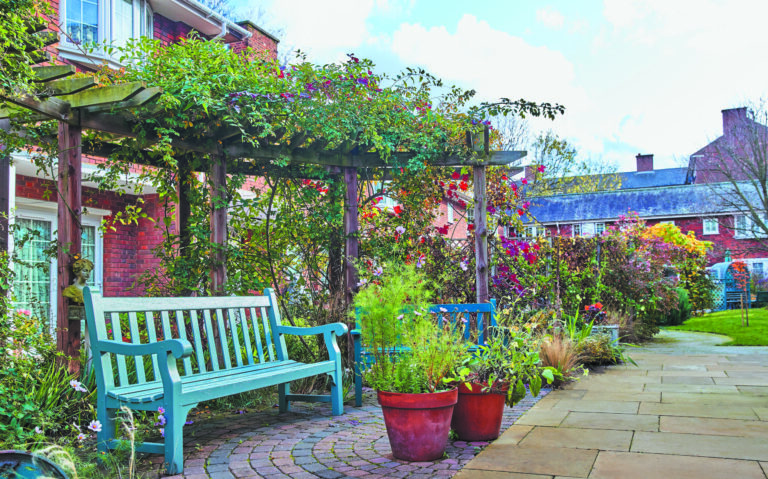
With award-winning communal gardens, our friendly and affordable sheltered housing helps residents live independently for as long as possible.
We have flats available now for older people from Hammersmith. Talk to us on 020 8600 0650 / 07733 842 574, email info@hamunitedcharities.com or read more here.


 The Tree of Life project is building on an existing W12Together service – its annual Christmas dinner for care leavers. Jenny shares, “The White City dinner launched two years ago through Gold from the Stone – a charity set up by the poet Lemn Sissay to make sure that care leavers have a space to go on Christmas Day, where they can have dinner and feel part of the community. If you live in W12 and you are a care-experienced young person, there will always be a place at our table.”
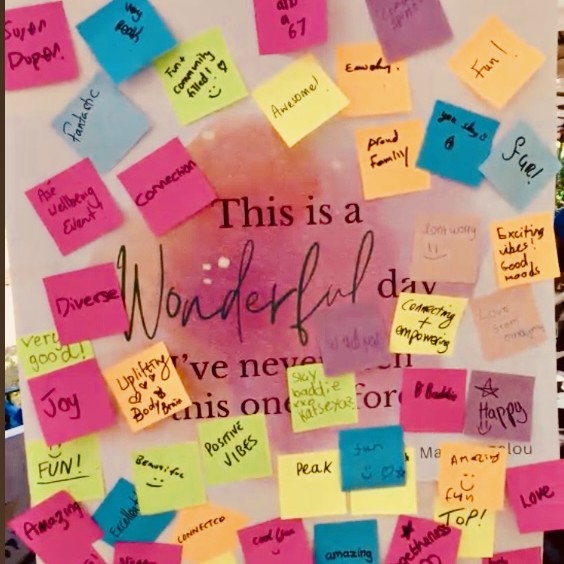
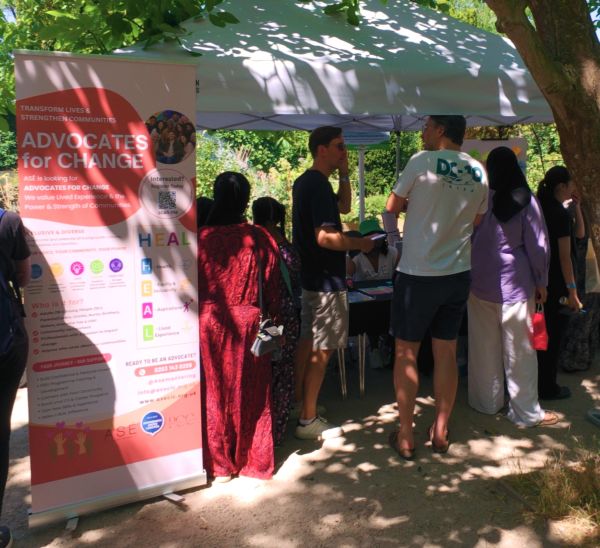 i-MATTER: Health & Wellbeing & Tackling Inequalities