Facebook Twitter Instagram

Changing children’s lives through art therapy

How Wendell Park Primary School is using art to help children improve their mental health and resilience.

From stress and anxiety, to eating disorders and depression, mental health issues are on the rise, including amongst children. According to the NHS, around one in five children aged 8–16 have a ‘probable mental disorder’.

There are many reasons for poor mental health, including cyber bullying, family breakdowns, academic pressure and the impact of the pandemic. Socio-deprivation also plays a role; children with a probable mental health disorder are more than twice as likely as their peers to live in a household that has fallen behind with rent, bills or a mortgage.

Early intervention can have a huge impact on a child’s life, helping them to learn coping mechanisms and to increase resilience before a mental health issue becomes a crisis. However, CAMHS (children and adolescents mental health services) are struggling to meet demand, which has led to long delays for support. While the average waiting time is 108 days, some children are forced to wait for two years or more before accessing government-funded support. Many children do not qualify for CAMHS support at all, even if their day-to-day life is being impacted by poor mental health.

Without support, mental health issues can worsen, escalating from relatively mild symptoms to crisis point. More than one in four young people under 25 reported that they’d tried to take their own life as a result of having to wait for mental health support.

Wendell Park Primary School

Image shows Karissa Patel, an art psychotherapistWendell Park Primary School has been offering art therapy to pupils in need for almost a decade. The one-to-one sessions are led by Karissa Patel, an art psychotherapist.

Karissa shares, “Many of the children who are referred to me have experienced some kind of trauma, which has a knock on effect on their self-esteem and confidence, particularly with children who have experienced some form of bullying. Some children might also question their self-worth if they’ve experienced being taken into care. Anxiety may heighten and seep into how a child engages with adults and peers if they have experienced or witnessed domestic violence. Additionally, trauma can also be experienced through loss of a loved one, whether that’s through bereavement or being removed from their parent(s). Overall, adverse childhood experiences have affected their day-to-day life. Art therapy helps to support children to voice their questions and make sense of their experiences; to create understanding rather than thinking, ‘It’s my fault that this happened.’

“Referrals are often times identified by behavioural, social or emotional challenges. For instance, the child might be acting out in class, unable to focus or to control their anger; they could start to withdraw and isolate themselves from their peers, refusing to socialise and engage, sometimes to the extreme of refusing to come to school.”

Art therapy

Image shows painting of an elephant, with the following written in a child’s handwriting: “When I am sad, scared or sick, I think about elephants and draw them. They remind me of strength because they are big and strong. They feel more sad and scaredy but still stand strong.”As Karissa explains, “Art therapy uses creative processes to help the child to express and explore their thoughts, feelings and experiences, and to understand how their experiences affect everyday connections. It’s a non-judgmental, non-threatening space where the child can figure out who they are and learn to be more compassionate towards themselves.

“Art making can consist of drawing, painting and working with clay, plasticine, play-doh, sand and so on. There’s also an element of play involved, particularly for younger children. There isn’t a huge difference between art and play for young children, and it’s through these creative means that they develop their main way of communicating during their early years.

“Sometimes, it’s about giving children who may have had to grow up too quickly a chance to just be a child again. For example, they might be a young carer or an elder sibling who is given a lot of responsibility. They might act very mature but need help to catch up emotionally or psychologically.

“I take a child-led approach. Children have very little say in major decisions that affect them, such as where they’re moving to or who they’re going to live with. They lack control in their day-to-day life. So, the child tells me what they want to do. Once trust has developed, they will start to open up and include me. We can then work towards finding the right coping tools so the child is able to articulate and identify feelings in a healthier way. The overall aim is to help foster emotional resiliency.”

Karissa works with each child for between two terms and a year, during which time the child’s mental health and behaviour will usually improve. Rosie Peters, Head of Wendell Park Primary School, says, “Therapy profoundly impacts vulnerable children, fostering greater confidence and resilience. We receive positive feedback from parents, teachers and the children themselves. We see the impact art therapy makes on a young person’s self-confidence, on their ability to try and believe in themselves, and, overall, on them having a better sense of self-awareness.”

Grant funding

Karissa’s work with the children at Wendell Park Primary School is funded through a Hammersmith United Charities grant. Karissa shares, “It’s only because of charities like HUC that we can provide early intervention mental health care. It allows for those children who may not meet the criteria for CAMHS or who are facing a long wait list to be seen sooner, rather than having that long wait time where their symptoms might otherwise get worse.”


Image shows drawing of a girl and the following words typed out: “I’ve shared my sad feelings by talking, painting, drawing and writing. It has been extremely helpful to let out my emotions. Art therapy is comforting and a fun place; it makes me happy. I’m not scared about saying anything. I couldn’t have asked for a better art therapist.” Child, aged 8


Find out more

You can find out more about art therapy and Karissa Patel on her website.

If you or your child are awaiting a CAMHS referral, the following charities may be able to offer support:

If you work in a school and want to support your pupils’ mental health, you can visit the Anna Freud website to download educational resources, including templates and toolkits.


Flats are now available in our almshouses

If you think you might be eligible, we'd be happy to give you a tour of our almshouses and share what it's like to live here.

Read More ...
Graphic says Welcoming our newest Flexible 3 Year Grant holders

Welcoming our newest Flexible 3 Year Grant holders

They've each been awarded £45,000, split over three years.

2025 was a tough year for many people. Local charities have risen to the challenge, providing basic essentials, advice and other vital support. Our Flexible 3 Year Grants are designed to offer local organisations a bit more stability so they can plan for their future and, if necessary, adapt to shifts in demand.

. Our newest grant holders are:

  • Petit Miracles
  • Shepherds Bush Families Project & Children’s Centre (SBFP&CC)
  • Active Successful Engagement (ASÉ) CIC

They’ve each been awarded £45,000, which will be split over three years.

Petit Miracles

Petit Miracles helps people to lift themselves out of poverty, by giving them the skills and confidence they need to find work or succeed as an entrepreneur. The social enterprise offers furniture restoration workshops to people who have a disability or who are otherwise disadvantaged, giving them the chance to build a new career.

It also runs a business incubator programme where people can learn business skills, network and share ideas. Members are then able to sell their products in Petit Miracles’ shop in West 12 Shopping Centre.

Founder and CEO Elisicia Moore says, “All of the circa 150 people per year who benefit from our programmes experience unemployment and social exclusion and face barriers such as disability, homelessness, mental ill-health or isolation. Our programmes have been co-designed to build the skills, experience, confidence and social integration they need to gain meaningful volunteering, further training and/or paid work.”

Petit Miracles is using its grant to help launch a new coffee bike programme, Miracle Brews, which will provide training and employment for young disabled adults.

Shepherds Bush Families Project & Children’s Centre (SBFP&CC)

SBFP&CC works with families who are experiencing significant housing difficulties. Some are homeless or at risk of homelessness. Others are living in unsuitable accommodation or struggling due to low wages. CEO Tina Mayers shares, Parents living in these situations often suffer depression and anxiety and feel guilty that they are unable to meet the needs of their children. Children and young people often miss out on the givens of normal family life. We aim to relieve the distress caused to these families and reduce the isolation and poverty most experience.”

SBFP&CC is putting its grant towards ongoing expenses and is planning to consult with parents and young people about developing new services.

You can read more about the charity in our case study.

Active Successful Engagement (ASÉ) CIC

ASÉ supports disadvantaged children and teenagers aged nine to 18, along with young adults who have SEND. Service users are experiencing a range of challenges, such as being:

  • Traumatised from past events
  • In care
  • A young carer for a family member
  • Affected by domestic abuse or gender-based violence
  • Digitally excluded
  • On a very low income

ASÉ’s work includes supporting children, young people and adults via mentoring, peer support and skills-building, tackling inequality and fostering long-term wellbeing. As Director Pauline Zepherin explains, “We empower communities, amplify under-represented voices and drive systemic change. Working with families, local authorities, schools and the NHS, we deliver culturally responsive community-led solutions that build resilience and long-term impact.”

ASÉ CIC is using its Flexible 3 Year Grant to deliver i-MATTER: Advocates for Change. 36 adult Advocates for Change Champions with lived experience of disadvantage will be trained to deliver trauma-informed mentoring, advocacy work and group support to young people and families.

Find out more about applying for a grant from Hammersmith United Charities

While our Flexible 3 Year Grants focus on organisations that we already work with, we also offer Community Grants, which are open to other charities working in Hammersmith.


Read More ...
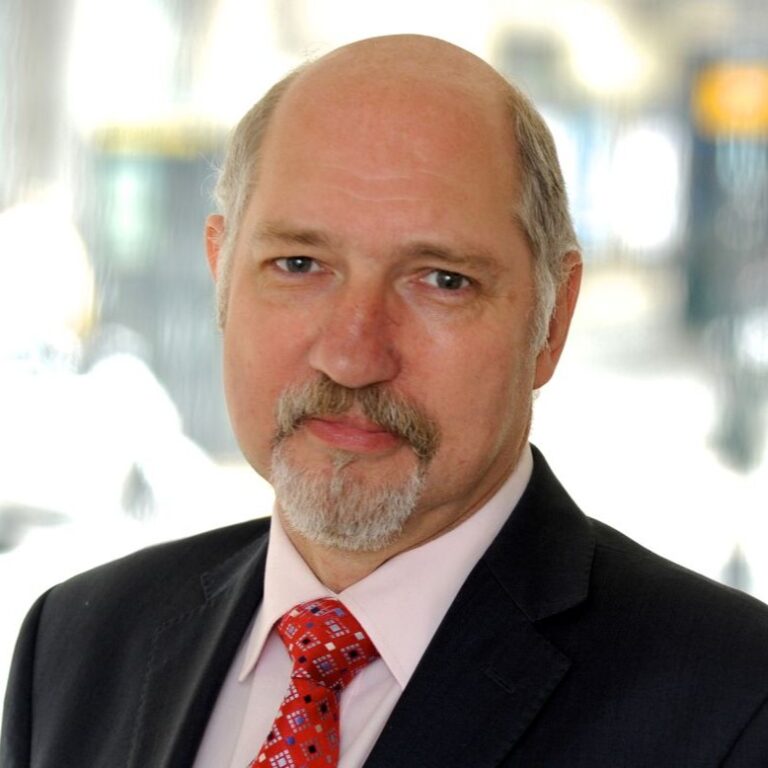
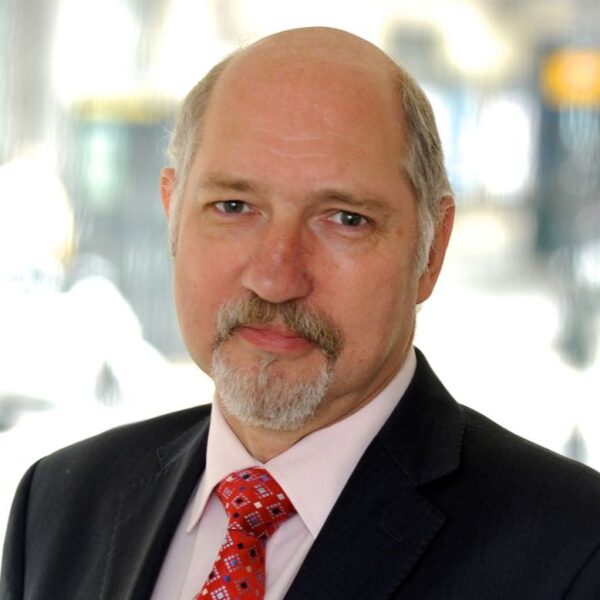
Hammersmith United Charities' new Chair, Guy Vincent. He is a white man with a beard and moustache.

Introducing our new Chair

Guy Vincent shares his ambitions for Hammersmith United Charities.

Hammersmith United Charities' new Chair, Guy Vincent. He is a white man with a beard and moustache.Guy is a retired solicitor who has lived in Hammersmith for over 40 years. As well as having a long legal career, Guy has decades of experience in the not-for-profit sector. He was a school governor for 35 years and spent several years volunteering as Chair of the Finance Committee at Hammersmith & Fulham Law Centre. If you recognise Guy, that’s probably because he also served as a local councillor for Hammersmith & Fulham.
We spoke to Guy about why he volunteers and what he wants to achieve in his new role as Chair of Hammersmith United Charities.

Why did you apply for the role of Chair?

I’ve been very lucky to have had an interesting career and learn skills that I’m happy to still use where I can. I’ve been engaged in the community throughout my 45+ years in Hammersmith, so I know the neighbourhood well.

I gave up my other voluntary commitments a couple of years ago as we were moving house and having a lot of work done. Once we’d finished all that, I thought it would be nice to do something in the community again. I want to contribute something, not just sit with my feet up!

I was a councillor with the previous Chair, Vivienne, and heard that she was retiring from the role. From what I’ve seen so far, Hammersmith United Charities is a great organisation and run very well, so I’m really looking forward to getting started.

What are your plans now that you’ve been appointed?

It’s early days and to begin with, I’ll just be learning about the charity, understanding what can be done, and figuring out what I can contribute. I’m coming in as a stranger amongst a committee full of people who’ve been doing this for years, so I’m looking forward to getting to know people.

I’ve signed up for the Christmas dinners and plan to attend coffee mornings and things like that. People like to know who their trustees are, so I think it’s important that I’m seen around the place.

In the long term, I just want to help the charity to provide as much support to the community as it can. I’ll be working with the team – both the trustees and the management – to try to make sure that the charity prospers and continues to do great things.

It’s unlikely that we’ll be able to expand the almshouses. However, there’s a great deal of opportunity to make an impact through the grants. While the sums being given aren’t enormous, a small sum of money can have a very big impact on a small organisation.

What do you enjoy doing in your spare time?

My wife, Sarah, and I enjoy travelling by train around Europe. We’ve got more time on our hands now that we’re retired, so we can take things at a more leisurely, pleasant pace. We spend a few hours on the train, get off, stop somewhere nice, have a meander and spend the night. It’s so much nicer than flying. Italy is our favourite place to visit; we’ve been going for 40 years. We particularly love Tuscany for its lovely medieval villages, which are always a joy to visit.

We also enjoy being involved in the community. It just seems the right thing to do – work within the community, for the community.

Read More ...
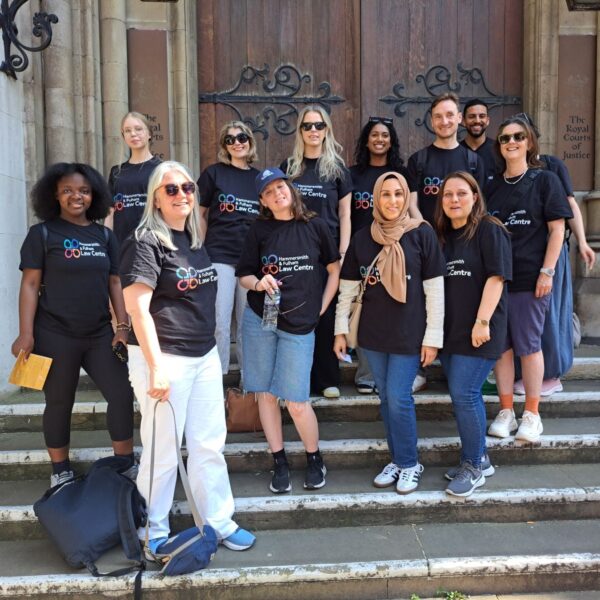
A group of women standing on the steps of the Royal Court of Justice. They are wearing t-shirts saying Hammersmith Law Society.

Hammersmith & Fulham Law Centre

Providing free legal advice to those most in need


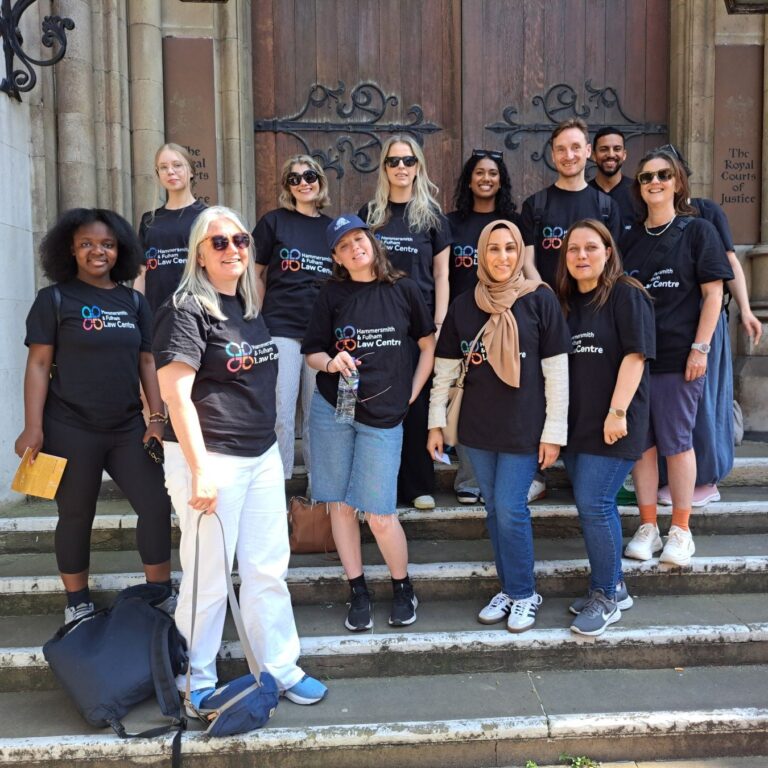
A group of women standing on the steps of the Royal Court of Justice. They are wearing t-shirts saying Hammersmith Law Society.“We recently represented a migrant woman who was trafficked to the UK by a wealthy family. She was forced to work extremely long hours as a nanny, housekeeper and cleaner. She didn’t receive anywhere near the minimum wage, and the family had control of her passport and bank account.”
This situation, shared by Sara Taylor, CEO of Hammersmith & Fulham Law Centre, is all too common. However, this particular woman went through an even worse experience. Sara explains, “The family said that she could visit her family. When she returned, not only had her employment been terminated, but she’d also been made homeless. This is a woman in her early 60s, who had been with this family, in servitude, for decades.

“When she turned up in our reception, she said, ‘When I came back, they wouldn’t let me in the house, so I’ve got nowhere to live; I don’t have my medicine; I don’t have my money; I don’t have a job; I have nothing.’ It seems an extreme situation, but it’s one that unfortunately we do come across.

“We not only assisted her with a tribunal claim against her employers for unpaid wages and damages, we also made a homelessness application and arranged for her to receive pension credit. She got her own flat and with the money she’s now received, is hoping to go back to her country of origin and retire.”

Without the Hammersmith & Fulham Law Centre, this outcome could have been very different. There is no Legal Aid for employment law advice, other than for a small area relating to discrimination, and many workers simply cannot afford to pay a solicitor.

Thankfully, Hammersmith & Fulham Law Centre offers free legal advice to people who are on a low income, including delivery drivers, nannies and factory workers.

Sara shares, “The people who come to us are facing a myriad of issues. Unfortunately, lots of people are dismissed unfairly by their employers. We also see a lot of claims for unpaid wages, holiday wages or sickness pay as, again, lots of employers don’t pay workers what they’ve earned.”

The Hammersmith & Fulham Law Centre can help with legal issues such as:

  • Being trafficked to the UK and made to work for little or no pay
  • Unfair dismissal
  • Discrimination due to a worker’s gender, religion or another protected characteristic
  • Wages being under the legal minimum
  • Unpaid holiday or sick pay
  • Reasonable adjustments not being made if a worker is disabled

Sara adds, “Some people are seeking compensation; others are trying to get their job back or to stay in their job with the adjustments that they’re entitled to. Some have agreed to leave their job and are just looking for a good reference.”

The Hammersmith & Fulham Law Centre supports clients in a number of ways. Sara explains, “We draft witness statements, accompany clients to meetings with their employer, represent them at hearings and so on. Sometimes, we’ll just spend a couple of hours with a client, going through their legal options, giving them legal advice, and then confirming all that in writing, and that’s as much as they need. Other times, we will represent them in a whole tribunal claim, from the beginning to the end.”

Hammersmith United Charites’ grant

The Law Centre helps clients with a wide range of challenges, such as being unlawfully evicted, living in an unhealthy rental property and applying for indefinite leave to remain. However, these cases are usually covered by Legal Aid, while the centre’s employment-related cases are not.

Earlier this year, we provided Hammersmith & Fulham Law Centre with a £10,000 grant. Sara says, “Without charitable grants like this, we wouldn’t have an employment law solicitor; we just couldn’t do this work. It was a really difficult situation for that client [mentioned above], but we were able to help, partly due to this grant.”

Find out more

If you’re on a low income and need legal advice, you can make an appointment with Hammersmith & Fulham Law Centre by emailing reception@hflaw.org.uk, calling 020 3880 1727 or visiting their office during working hours.

Read More ...
Vivienne Lukey: A white woman with red hair

Farewell to our Chair, Vivienne Lukey

A thank you from our team

Vivienne Lukey: A white woman with red hairEveryone at Hammersmith United Charities would like to thank Vivienne Lukey as she steps down after 12 years as a trustee, including six years as Chair.

During her time with the charity, Vivienne made a significant contribution to its governance and direction, working closely with trustees, staff, residents, and community partners to ensure that our historic 400-year-old charity developed to meet the needs of our 21st-century community. She played a key role in supporting both our almshouse housing for older residents and our grants programme for grassroots organisations tackling inequality in Hammersmith.

Her leadership was particularly important in steering the charity through the challenges of the COVID-19 pandemic, as well as a period of turbulent economic conditions and the cost of living crisis, ensuring that the community was supported and that the charity remained resilient and responsive during exceptionally difficult times.

We are grateful for Vivienne’s commitment, leadership, good humour and care, and for the way she has helped the charity to evolve while staying true to its values.

We are pleased to welcome Guy Vincent as our new Chair and look forward to working with him as the charity moves into its next chapter.


Read More ...
View More