More than a home
How almshouses help to tackle loneliness
As anyone who has experienced loneliness knows, it can feel all-consuming. Not having someone to talk to, to share life’s highs and lows with, or to rely on for comfort and support can be a heavy burden to bear.
Most of us feel lonely from time to time, but some people are at greater risk of experiencing long-term loneliness, including those on low incomes, people who live alone and those with health conditions or mobility issues that make it harder to get out and about.
Loneliness in later life
Half a million older people do not see or speak to another person for five or more days a week.
Modern life often takes us away from the communities where we grew up. Families become more dispersed and friendships can be harder to maintain. By the time people reach later life, they may find that family members and close friends live far away. At the same time, retirement, bereavement or declining mobility can reduce opportunities for everyday contact and companionship.
Building communities through almshouses
For more than 1,000 years, almshouses have provided homes and support for people experiencing hardship. Today, there are more than 1,600 almshouse charities across the UK, providing homes for over 36,000 people.
As charities, almshouses support people who may have limited housing choices because of financial circumstances, ill health, disability or other challenges. But they offer much more than affordable housing.
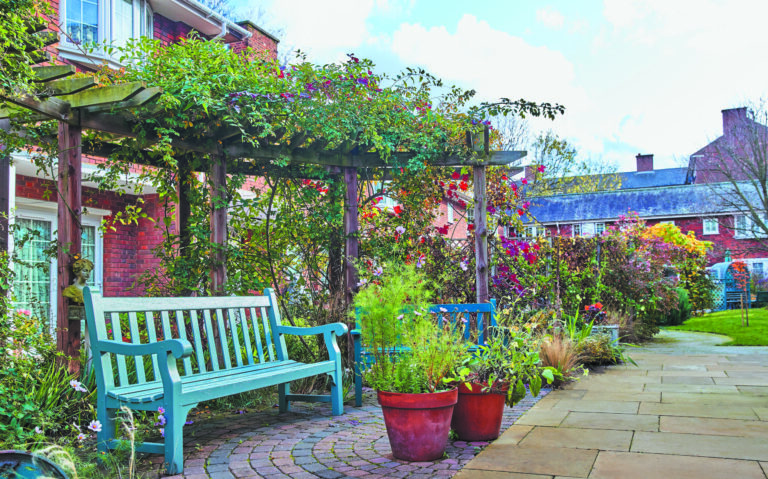
Community is a central part of almshouse life. Homes are often arranged around shared courtyards and gardens, with communal spaces designed to encourage neighbourly support and interaction. Many almshouses are located at the heart of the wider community, helping residents stay connected to familiar services, activities and opportunities. Staff are often on hand to provide practical support and facilitate activities that help residents build friendships and maintain meaningful social connections.
This sense of community is particularly important at a time when loneliness and social isolation are increasingly recognised as major challenges for older people. By creating environments where people can get to know their neighbours, participate in activities and feel part of something larger than themselves, almshouses help foster belonging and connection.
Many almshouse charities also contribute to the wider community. Hammersmith United Charities, for example, provides funding to local organisations that help strengthen community ties, reduce isolation and improve wellbeing across Hammersmith.
In short, almshouses do more than provide affordable housing. They help create communities where people feel connected, supported and valued, making an important contribution to tackling loneliness and building stronger neighbourhoods.
Apply for a home
We currently have flats available at both of our almshouses – John Betts House and Sycamore House. We’re always happy to show prospective residents around. Find out if living here could be right for you.
Support if you’re feeling lonely
Help is available if you’re struggling with loneliness or isolation. For example, befriending services can be a great way to meet new people and feel more connected. H&F council has provided a list of local befriending services here. You might also find this list of national organisations useful.


 The Tree of Life project is building on an existing W12Together service – its annual Christmas dinner for care leavers. Jenny shares, “The White City dinner launched two years ago through Gold from the Stone – a charity set up by the poet Lemn Sissay to make sure that care leavers have a space to go on Christmas Day, where they can have dinner and feel part of the community. If you live in W12 and you are a care-experienced young person, there will always be a place at our table.”
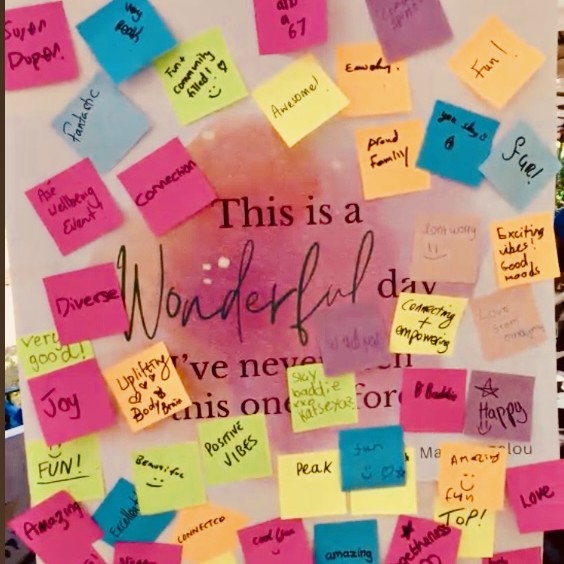
 i-MATTER: Health & Wellbeing & Tackling Inequalities