Facebook Twitter Instagram

We need to talk about domestic abuse

Almost 250,000 people in London will likely experience domestic abuse in 2025.

UNiTE to End Violence against Women kicked off on 25th November – the International Day for the Elimination of Violence against Women – and runs until Human Rights Day on 10th December.

Women are more likely to experience violence from someone they know than a stranger. Domestic abuse happens in every borough across London, to people of every gender, race and economic background. However, there are still many misconceptions around domestic abuse, from what it entails to how likely it is to happen.

Myth: Domestic abuse is rare

Sadly, domestic abuse is all too common. One in four women in the UK will experience it during their lifetime. The Met Police recorded 96,768 domestic abuse offences in London last year, but the actual number of cases is likely far higher. According to some studies, almost 250,000 adults in London will have experienced domestic abuse in the last 12 months.

Myth: Domestic abuse is always violent

Domestic abuse is primarily about control and doesn’t always involve violence. The domestic abuse charity Refuge describes it as, “a pattern of behaviour on the part of the abuser designed to control his partner.” It includes:

  • Economic abuse: taking control of the partner’s wages or benefits, not allowing her access to money, stopping her from working, taking out credit cards or loans in her name, etc
  • Psychological abuse: such as manipulation, constant criticism, threats, name-calling and stalking
  • Sexual abuse: being forced or pressured into sexual acts
  • Coercive control: a pattern of behaviour designed to control the partner, for example by monitoring her phone, isolating her from friends and family and telling her what to wear
  • Physical abuse: hitting, pushing, choking or restraining her, throwing things at her, etc
  • Technological abuse: sharing intimate images online, sending her abusive, threatening or intimidating messages, tracking her use of social media and websites, etc

Myth: If it was that bad, she’d leave.

There are many reasons why a woman stays with her abuser. She may believe that she’s to blame, or she may still love her partner and think that he can change. She may not want to break up the family unit or doesn’t feel that she can cope without her partner. Her religion and/or wider family may forbid divorce. She may also be scared about what her partner will do if she does leave.

Even when a woman desperately wants to escape her abuser, she may have been isolated from her family and friends and feel that she has nowhere to turn.

Myth: Once she leaves, the abuse will automatically stop.

Leaving an abuser can be an extremely dangerous time, particularly if he’s physically violent. The perpetrator will often want to retain control, so may continue to intimidate and harass his victim, for example by sending messages, following her or taking out debts in her name. The National Domestic Abuse Helpline can offer advice on the safest way to leave an abusive relationship.

Myth: Domestic abuse is only carried out by men against women

Domestic abuse can happen to anyone, whatever their gender or sexual orientation, and the abuser can be male, female or non-binary. While women are far more likely than men to experience an abusive relationship, 13% of men have experienced domestic abuse. Men may be less likely to recognise that they are in an abusive relationship and too embarrassed to seek help.

Myth: I’d know if a family member, friend or colleague was experiencing domestic abuse.

Domestic abuse isn’t always easy to recognise. The abuser may act very differently in public and the person being abused may feel too frightened or ashamed to ask for help. If you suspect that someone you know is experiencing domestic abuse, Refuge has advice on how you can support them.

Get support

If you or someone you know needs help, please call the National Domestic Abuse Helpline on 0808 2000 247.

Angelou is a partnership of West Central London services that support women and girls affected by domestic violence and abuse. You can call Angelou for free on 0808 801 0660, email angelou@advancecharity.org.uk or visit www.angelou.org to find out more.

If you’re a man experiencing domestic abuse, call Respect’s Men’s Advice Line on 0808 8010327, email info@mensadviceline.org.uk or visit https://mensadviceline.org.uk. The ManKind charity can also help you to escape an abusive situation.

If you’re experiencing (or have experienced) domestic abuse, and you want to find out about counselling sessions in London, contact Woman’s Trust on:

(Office hours: Mon-Fri, 9:30am – 5pm)

If you want to make a professional referral for someone under your care or supervision, call Woman’s Trust on 020 7034 0303.

Flats are now available in our almshouses

If you think you might be eligible, we'd be happy to give you a tour of our almshouses and share what it's like to live here.

Read More ...
Akiko

“We are getting older, yes, but we still need our independence”

We spoke to Akiko, one of our residents, about why she loves living here.

Akiko moved to Hammersmith from Norfolk, where she’d lived in a caravan for more than 10 years as part of an intentional community (similar to a commune). She’s now been living at Sycamore House for almost a year.


AkikoWhy did you decide to move to Sycamore House?

I was living in an intentional community in a very rural area in North Norfolk. That ended and I felt like coming back to this area. I’d lived in London for 30 years and I missed the city and the diversity.

The weird thing is, around 25 years ago, I used to visit Sycamore House to offer reflexology and just chat to people. I’m sure that’s not a coincidence.

I want to be connected to other people, living together. We share resources, communicate and support each other. That is so important to me.

Are you happy at Sycamore House?

Yes. I really value everybody here, including the staff and the gardeners and the cleaning people and the carers. Everybody respects our latent individuality and really honours that. We are getting older, yes, but we still need our independence.

There are community activities; it’s up to the resident if they want to join in. I know some older people like bingo… I don’t like bingo, but I love to bring joy through things like disco. So, we’ve put afternoon discos on a couple of times, including an LGBTQ+ party. There was no alcohol, no drugs, it was just about coming in and enjoying music and dance. I’m planning another one for autumn, once it’s cooled down a bit.

I’m also quite busy going out to do other community things outside of Sycamore House.

What do you think of your flat?

It’s amazing! When I lived in the intentional community, I lived in a caravan for over 10 years. So, when Chris [our scheme manager] said, “Here’s your flat,” I couldn’t believe it. It has such spaciousness for a one-bedroom flat. It has a large kitchen. There was already a refrigerator and washing machine, so I didn’t have to buy anything.

It’s ground floor and my bedroom is cool, so I can sleep at night in this heat. The maintenance is great and we are looked after.

Do you ever go back to Norfolk to visit friends?

Yes, once a month I will go to see them. I need that aspect of nature and being in nature, but I also need the stimulation of what happens in a city.

You mentioned that you’re involved in the community. Can you tell us more about that?

I have been involved in community activities for all of my life. I run a CIC [a community interest company] called Freedom is Moving. We offer workshops in art, music and dance on the beach in Norfolk or in the forest.

I also volunteer at the Nourish Hub, which is anti-food waste. It’s a stunning place and I am so happy to contribute myself. I’ve started assisting a children’s vegetarian cookery course there. They offer it in August for all these kids – 10 years old to 18 years old. Hoorah!

It sounds like you keep yourself pretty busy?

Yes, but I’ve decided that I do what brings me joy. I don’t think, “I must do this, I must do that.” I chucked all of that out. It doesn’t serve me anymore.  If I don’t feel joyful, how can I offer that to the world? So, I make sure that I have joy in serving myself first, then I can spread this to other people.

Read More ...
Vacancy: Head of Grants and Community

Vacancy: Head of Grants and Community

Help to shape the future of Hammersmith United Charities

We award around £380,000 to local community organisations every year, supporting thousands of people who are facing disadvantage across our area of benefit.

As Head of Grants and Community, you’ll help to ensure that we respond effectively to changing community needs. This is a varied, outward-facing and highly collaborative role, combining strategic leadership with operational delivery. It offers the autonomy to take ideas from concept to delivery. Working directly with the Chief Executive and Trustees, you’ll have significant influence over the Charity’s strategic direction, grant making, partnerships, communications and wider community work.

Please download the job application pack for more details about the role, Hammersmith United Charities and our application process.

The closing date for applications is 12 noon, Monday 21 September 2026. 

Read More ...
15 groups have been awarded grants totalling £106,798.

July 2026 grants announced

15 groups have been awarded grants totalling £106,798.

The voluntary sector plays a crucial role in Hammersmith, making life easier for thousands of people. From hospice care to mental health support, the services offered across the borough change lives.

We’ve been supporting grassroots causes for many years, by awarding Community Grants to groups that make a tangible impact in our area, including those working to alleviate poverty, enrich children’s lives, and help some of the most vulnerable people in Hammersmith.

Our July grants round saw 15 groups awarded a total of £106,798. These include:

Woman’s Trust: £15,000

10+ women in Hammersmith will benefit from counselling sessions to help them process the trauma caused by domestic abuse. You can find out more about the work of Woman’s Trust here.

Nubian Life Resource Centre Ltd: £14,374

The charity is using its grant to fund a part-time member of staff, who will co-ordinate befriending services to support older people in Hammersmith’s African and Caribbean community.

Barons Court Project: £12,000

This grant is helping to cover the salary of a Project Worker. Their role will include welcoming guests, offering one-to-one advice sessions, organising outreach volunteers, signposting people to other services, and running a weekly wellbeing group. Read our case study on Barons Court Project.

Solidarity Sports: £7,504

Solidarity Sports is putting its grant towards the cost of running Champions Club. The club is a weekly after-school academic programme for children aged 6-12 who are living in poverty. Find out more about Solidarity Sports.

This New Ground: £7,500

More adults with a learning disability will soon be able to take part in creative and skills-building activities, as This New Ground can now afford to hold an extra studio day each week. Read our case study on This New Ground.

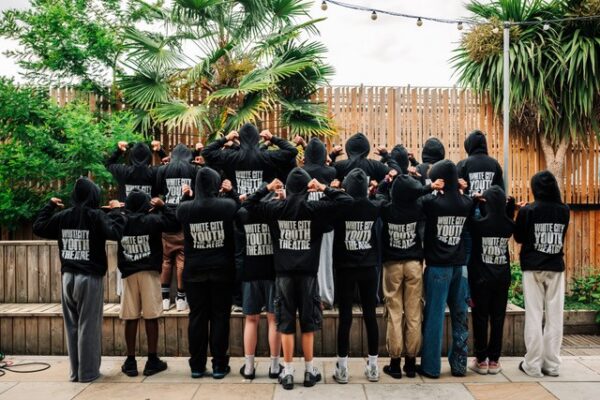
White City Theatre Project: £7,500

This grant will help to ensure young people can continue to take part in weekly youth theatre workshops led by a trained practitioner.

John Betts Primary School: £7,000

As with our last grant to the school, this new funding will be used to provide play therapy for up to 32 pupils. The children will be supported to work through challenging experiences that they may otherwise struggle to talk about. You can find out more about play therapy at John Betts Primary School here.

Women Aid and Empowerment: £7,000

Around 100 people in White City and Wendell Park will be able to take part in inclusive exercise classes such as Zumba and chair-based yoga. Read an article on Women Aid and Empowerment.

Eastern Sudan Community Association (ESCA): £5,000

ESCA is using its grant to deliver a 12-month project for girls in Hammersmith. The girls will take part in Powerleague football sessions and other activities. Low-income families will have their fees subsidised.

W12 Together: £5,000

A Clinician for Narrative Therapy will work with young people who have left Local Authority Care, helping them to move forward with their lives.

Parentsactive CIC: £5,000

The CIC will use its grant to engage with vulnerable families in Hammersmith who are caring for disabled children or adults.

Fulham Reach Boat Club (FRBC): £5,000

Young people will benefit from free holiday clubs where they’ll take part in activities they may otherwise not be able to try, such as kayaking and rowing. Read more about Fulham Reach Boat Club.

Intergenerational Music Making: £4,500

The CIC brings different generations of people together through music, helping to reduce isolation and loneliness. Our grant will help the CIC to work with new partners across Avonmore, Brook Green and Shepherd’s Bush Green.

St John’s Hospice: £4,000

More people will be able to choose to stay in their own home in the last stages of their life, as St John’s Hospice is expanding its vital Hospice@Home service into LBH&F.

West London Death Café: £420

The grant will contribute towards West London Death Café hiring a room at the Bush Theatre so that people can talk freely about death and dying.


How to apply for a HUC Community Grant

We’re keen to hear from smaller, local organisations in our area of benefit, which have a strong connection to their community and a working knowledge of the local area. Your project can be one-off or ongoing. What interests us most is the difference you’ll make to the local people most in need.

Please complete our Eligibility Quiz before applying and then contact us at grants@hamunitedcharities.com to tell us about your project. We like to talk to applicants before you apply to get a better understanding of what you’re doing and answer any questions you may have.

Find out more 

Read More ...
Two women, smiling. One is wearing a headscarf. There is a man standing behind her. They are being handed bags.

Setting the record straight

West London Welcome is helping to dispel the myths surrounding refugees and asylum seekers

Hammersmith United Charities holds regular network meetings for our grant holders, where people can come together, learn from one another and collaborate for the benefit of the community.

Our last meeting included a presentation about refugees and asylum seekers, led by West London Welcome. The charity discussed current refugee and migrant issues around the country and support services in our area.

There are at least 13,700 asylum seekers in London and 41% of people who live here were not born in the UK. West London Welcome recognises that, while refugees, migrants and asylum seekers may need support with essentials such as housing and health needs, they also deserve to experience the everyday things that make life enjoyable, from lunch with friends, to music, exercise and creative hobbies.

Two women, smiling. One is wearing a headscarf. There is a man standing behind her. They are being handed bags.

The charity was formed by a group of Hammersmith residents in 2017. Today, it has a team of 10 staff members and 135 local volunteers, together representing 70 nationalities. A wide range of activities are held at its community centre, including English lessons, cookery workshops and yoga classes.

One of West London Welcome’s aims is to help dispel the myths surrounding people from a migrant and refugee background, so its presentation included points such as:


  • Seeking asylum is a legal right. With so few safe routes available for people fleeing war and persecution to come to the UK, many people have little choice but to undertake a perilous Channel crossing by boat if they wish to seek asylum here.
  • Asylum seekers are not allowed to work or to claim benefits. Those living in hotels receive aeroplane-style meals and £9.95 a week.
  • Fewer than 1% of the world’s refugees live in the UK.
  • People arriving by small boat account for only 5% of total migration to the UK.

Download West London Welcome’s myth-busting resource for more information.

Other organisations offering support

Refugees are disadvantaged in many ways, so they’re often entitled to support from other organisations in the borough, including a number of our current and previous grant holders. For example:

  • Hammersmith & Fulham Law Centre provides legal advice and representation to people in need. Much of its work is around immigration and the seeking of asylum.
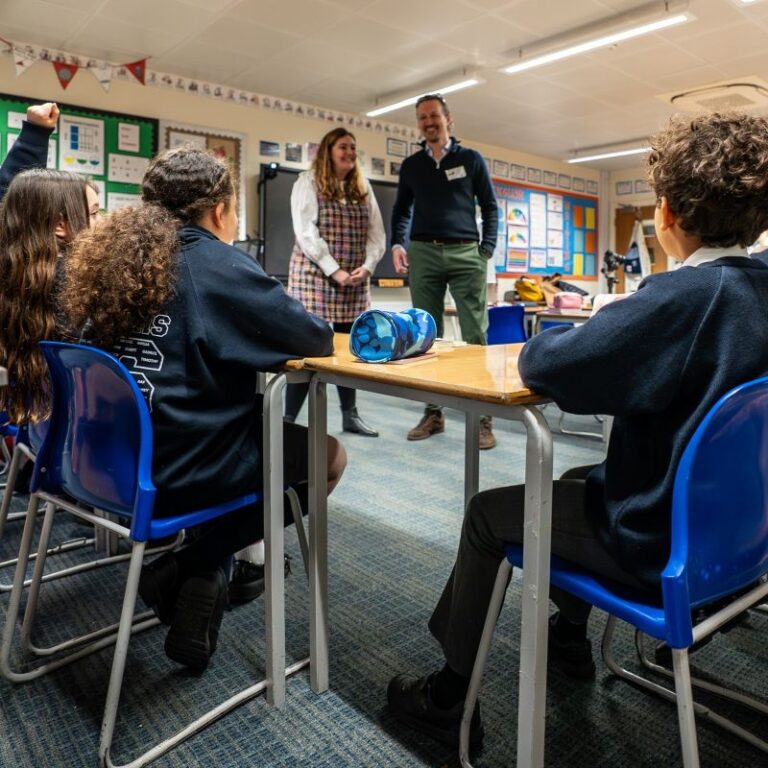
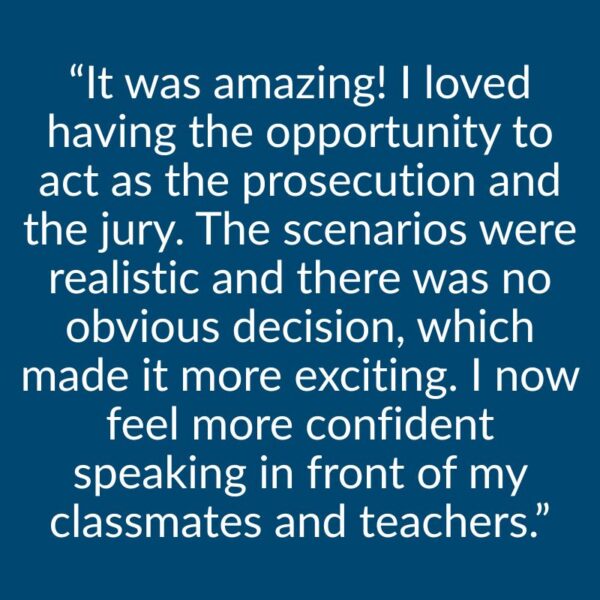
  • Lawyers4Learners runs free public speaking workshops in schools to help build children’s confidence. Many of the children it supports speak English as a second language.
  • Hikayetna brings refugees and migrants together for mutual support and help in specific areas such as training and mentoring in the creative industry.
  • Intergenerational Music Making uses the international language of music to bring people together from across the whole of the community.
  • The Kulan Foundation supports adults and children from a migrant background to gain skills and qualifications.
  • Somali Parents works with migrant families to support children’s education.
  • FORWARD is working to end the faith-based and ritual abuse of African women and girls. 

Find out more

You can read a case study on West London Welcome here. For more information about the charity’s services, please visit its website: www.westlondonwelcome.com


Read More ...
View More