How to apply
1. Find out more about our sheltered housing and have a look through the eligibility criteria.
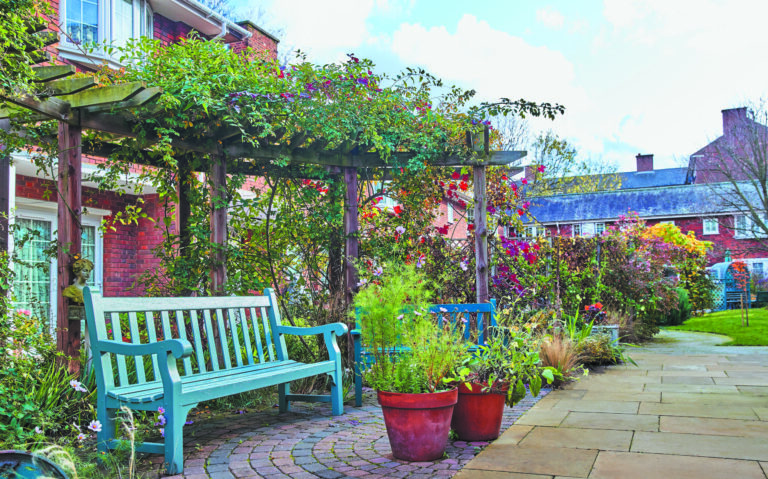
2. Give one our Scheme Managers a call during office hours at either SH or JBH, as detailed on the Information for Applicants. You can have a good look around and get to know us; in the meantime, have a look at some photos of our accommodation and our gardens.
3. Complete some paperwork. If you need us to send you printed copies of these forms, call us on 07470 793 565. All the information you give us will be treated in strictest confidence:
- Fill out the application form, which gives us information about your eligibility and why you need sheltered accommodation.
- Ask your doctor to fill out the medical form. They will tell us about your medical history and whether they think you can live independently for at least five years.
4. We will ask you to provide documentation to support your application and give evidence of your eligibility. We will talk this through with you when we meet with you.
5. We will then meet with you and discuss your application.
Find out more
- Find out more about our sheltered housing
- Find out if you’re eligible
- View our almshouses and gardens
- Read our FAQs
- Hear from our residents
- Call for a chat on 020/87414326
- Email info@hamunitedcharities.com
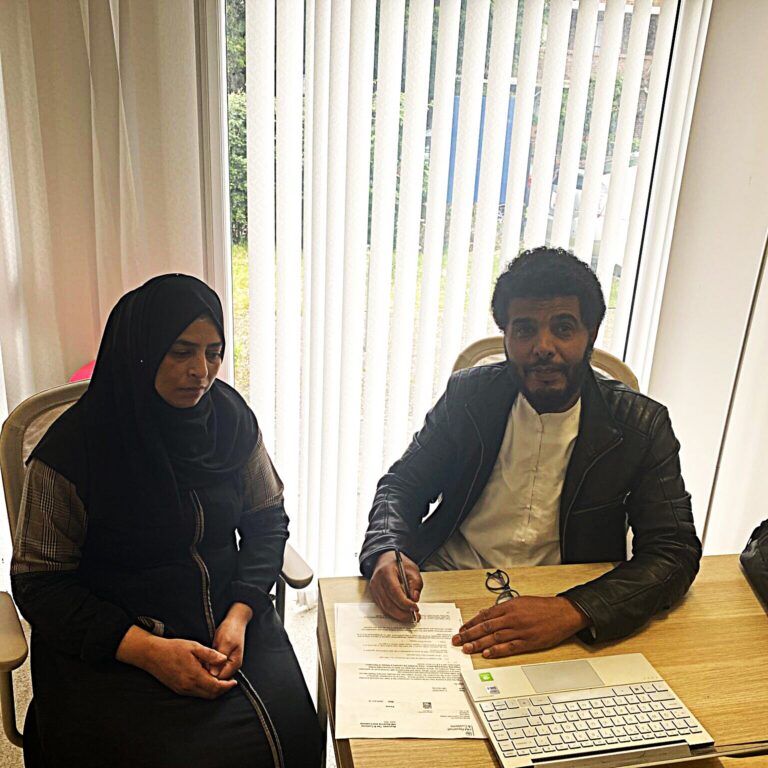
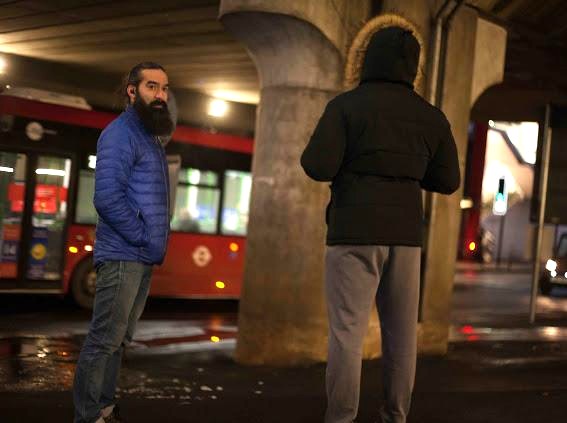
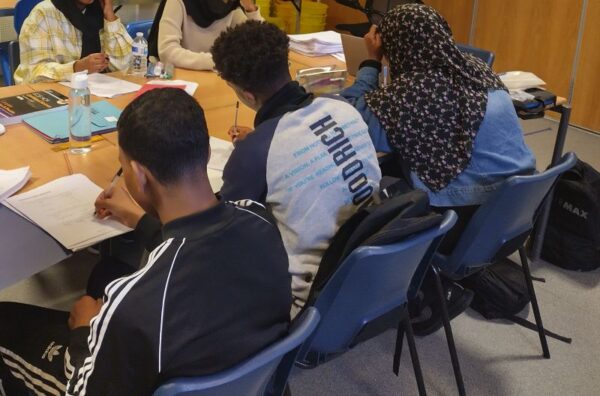 Recognising the difficulties that families face, Jamal came together with other Hammersmith parents to launch Somali Parents. Meeting demand is an ever-increasing challenge for the charity. Jamal is the only paid staff member, and he only works for the charity part-time. Nevertheless, assisted by a team of volunteers, the organisation offers support to families across the borough.
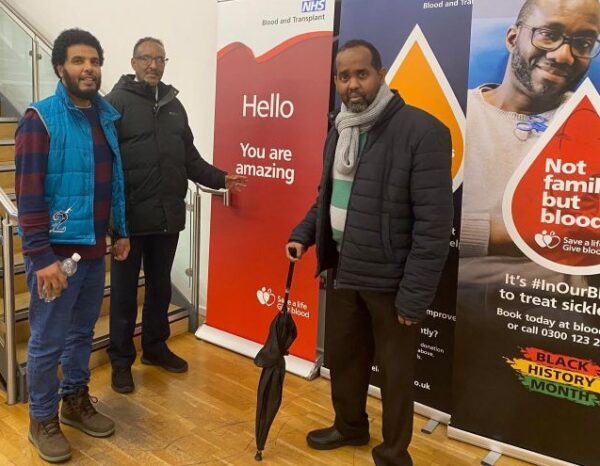 Somali Parents runs healthcare workshops about cancer symptoms and support available, as well as drop-in sessions to help ease concerns amongst the community and give people a better understanding of how to access NHS services and what to expect from an appointment. Recognising that women often feel more comfortable discussing health issues with another woman, the charity will sometimes bring in a Somali-speaking female GP to answer questions from the audience and talk to people in private if they need more advice.
 “The relationship is the intervention.”