Hikayetna: Helping people to share their story in safety
Hikayetna means ‘our story’ in Arabic. The not-for-profit exists to empower and unite refugees and migrants, bringing communities together through culture and creativity.
My Health, My Life is Hikayetna’s latest project. The community organisation is creating several short films in Arabic to help refugees and migrants recognise mental health issues and understand how to get support when they need it.
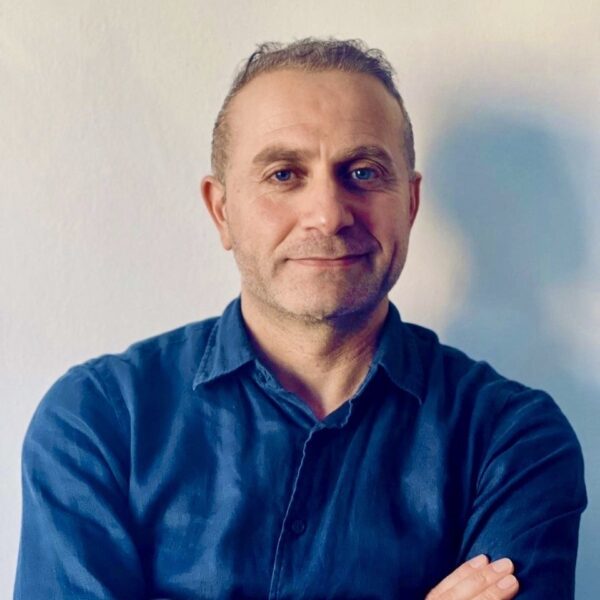 Here, Sulaiman Othman, Director of Hikayetna, tells us about the project and why it’s needed.
“I’ve met many refugees and other members of the Arabic-speaking community who are struggling with trauma and mental health issues. Many have come from a war zone and have lived in refugee camps. Once they arrive here, they’re kept very busy with documentation, assessments, setting up schooling, talking to the council, getting housing and so on. They don’t deal with the pain that they’ve brought with them. Some feel ashamed to talk about mental health, as in Arabic cultures, people often don’t talk about their feelings.
“Even if they do try to get help, there’s a lack of resources in Arabic. Support may be provided by the local community, the NHS or charities, but people can’t access it.
“We wanted to take this knowledge, these resources, and make it easy for people to access them. The videos are about breaking the ice, raising awareness, encouraging people to talk about mental health, and giving them the chance to make a fresh start.
“We’re going to produce three or four videos initially. Each will be two minutes long. We’re using Arabic in the videos, along with English subtitles and infographics.
“We’ll cover mental health, what it is, how the NHS can help, and how we can reduce the stigma around it. We’ll also interview an Arabic-speaking mental health specialist familiar with the culture.
“We’re hoping to launch the first video on social media in 2025. We’ll have a launch event to encourage the community to come together and talk about mental health issues. This is a small project, with a small grant, and a small team, but it’s part of a longer term goal. We’re meeting with universities and local organisations that provide mental health services to discuss how we can work together to support the Arabic community’s mental health and make it easier for people to connect, integrate and engage.”
Hikayetna has received a grant from Hammersmith United Charities towards the cost of creating the videos. You can find out more about our community grants here.


 i-MATTER: Health & Wellbeing & Tackling Inequalities